



WINDHOEK — Namibian livestock producers are seeking to import high-quality cattle genetics from the U.S. as a foot-and-mouth disease outbreak in neighboring South Africa severely disrupts their traditional supply chains.
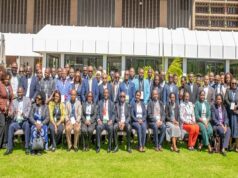
A delegation from the U.S. Department of Agriculture’s Foreign Agricultural Service and the U.S. Livestock Genetics Export organization is conducting a three-day tour of stud breeding farms around Windhoek, exploring potential trade deals to supply Namibia’s pastoral industry.
The trade mission, hosted by the Livestock and Livestock Products Board of Namibia (LLPBN) alongside the Namibia Stud Breeders Association, aims to open direct corridors for the import and export of livestock genetic material. The tour culminates in a series of business-to-business networking sessions connecting American exporters with local breeders.
South Africa has long served as the primary source of breeding stock for Namibian ranchers. However, persistent foot-and-mouth disease outbreaks across South African provinces have triggered import restrictions, forcing Namibian producers to seek alternative international suppliers to safeguard their herds’ genetic quality.
“The discussions come as Namibian stud breeders face challenges in accessing superior livestock genetics because of the current foot-and-mouth disease outbreak in South Africa,” the LLPBN said in a statement. “The U.S., together with Australia, is one of the alternative sources of high-quality livestock genetics available to Namibian breeders.”
If finalized, expanding genetic trade with the U.S. could help stabilize Namibia’s commercial livestock sector, a vital component of the country’s agricultural output and beef export economy.