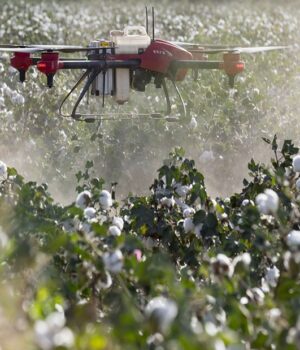





Italy’s agricultural machinery industry closed 2025 on a resilient footing, with total production value rising 2.1% to €14.3 billion, as strong domestic demand offset declining exports and ongoing global trade pressures. The sector’s performance reflects a shifting dynamic within the industry, where growth is increasingly driven by components, spare parts and flexible product segments rather than core machinery sales.
Components production rose 7.6% to €3.5 billion, while spare parts and machine components increased by 8.6% to €1.3 billion, underscoring their strategic importance in maintaining market agility and global competitiveness. Garden machinery and equipment also recorded solid growth, rising 8.3% to €900 million. In contrast, traditional equipment segments experienced slight contractions, with tractor sales declining by 1.7% to €1.9 billion and other agricultural machinery easing by 1.4% to €6.7 billion.
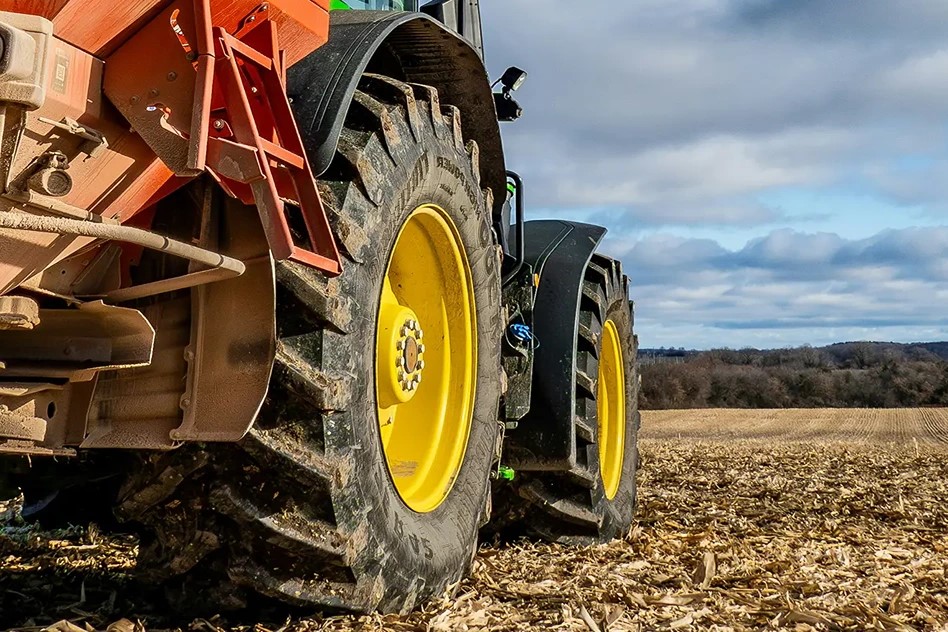
Domestic demand emerged as the key stabilising force in 2025, reversing a downturn that began in 2022. Sales across major machinery categories strengthened significantly including tractors (+13.7%), transporters (+45.9%) and telescopic handlers (+17.5%). This recovery in the home market played a decisive role in sustaining overall industry growth. Exports, however, softened by 1.7% to €6.7 billion, reflecting continued geopolitical tensions and the impact of trade policies, particularly tariffs imposed by the United States. Tractor exports declined by 2.9%, while construction machinery and equipment fell by 3.2%, partially offset by an 8.3% increase in incomplete tractors and spare parts.
Despite this external pressure, the sector maintained a strong trade surplus of €4.6 billion, even as imports rose by 8.6% in value terms. The data highlights the industry’s structural resilience, supported by diversified product lines and sustained domestic activity. Industry leadership attributes the export slowdown largely to U.S. tariff measures, which resulted in an estimated loss exceeding €230 million. Without this impact, export performance would have remained broadly in line with previous years.
Italian manufacturers are actively pursuing market diversification strategies to reduce exposure to traditional export destinations. Expansion efforts are increasingly focused on Latin America, Southeast Asia and Africa, where demand for agricultural mechanisation continues to grow. The 2025 performance signals a sector adapting to a more complex global environment, leveraging domestic demand, strengthening high-value segments and repositioning internationally to sustain long-term growth.