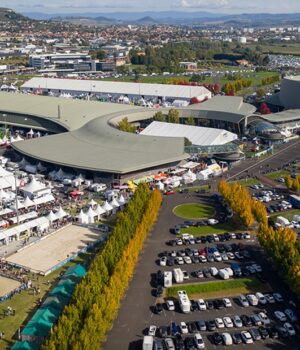



Livestock farming is facing a convergence of pressures ranging from climate resilience and rising production costs to animal health, generational renewal and the need for more efficient production systems. These challenges will take centre stage when the 35th Sommet de l’Élevage returns to Clermont-Ferrand, France, from 6 to 9 October 2026.
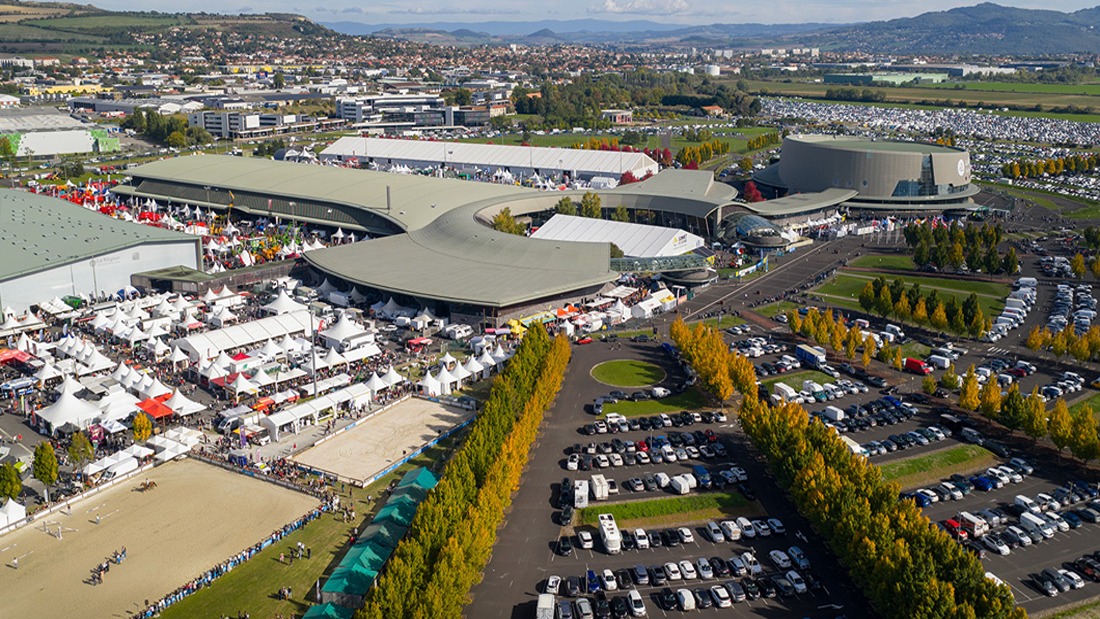
Held in the heart of the Massif Central, one of Europe’s largest grassland regions and a longstanding centre of pastoral farming, the event is expected to bring together around 1,800 exhibitors and 120,000 professional visitors, including approximately 6,000 international attendees. Livestock and genetics remain central to the exhibition, with around 70 breeds of cattle, sheep, goats and horses represented. The Limousin breed will take centre stage in 2026, highlighting the role of genetics in productivity, quality and resilient livestock production.
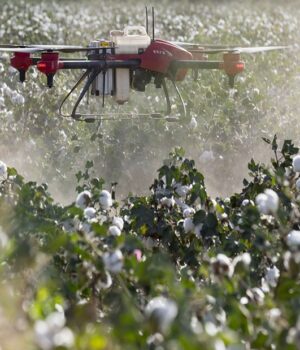
Beyond the livestock rings, the exhibition will cover animal health and nutrition, agricultural machinery, farm equipment, renewable energy, digital technologies, buildings and services. A further 10,000m² will be dedicated to agricultural machinery and equipment, while more than 140 conferences and symposiums will examine issues ranging from climate resilience and farm profitability to animal welfare and generational renewal.
The 2026 edition also carries added significance as the United Nations’ International Year of Rangelands and Pastoralists. Its location provides a natural platform for examining how grass-based and pastoral systems can contribute to biodiversity, landscape management, food production and resilient rural economies. For African livestock producers, these discussions hold particular relevance as the sector confronts climate variability, pressure on grazing resources, rising input costs and the need to improve productivity while protecting natural assets.
The international programme will extend beyond the exhibition floor, with around 30 technical farm visits providing access to French beef and dairy farms, sheep and goat holdings and other agricultural enterprises. The tours are designed to give international professionals a practical view of production systems and technology in the field. With around 330 international exhibitors and a growing international audience, the Sommet has become an important meeting point for livestock producers, technology providers, researchers and policymakers. Its 2026 programme places a clear focus on how livestock farming can adapt to changing environmental and economic conditions while remaining commercially viable and attractive to the next generation of farmers.