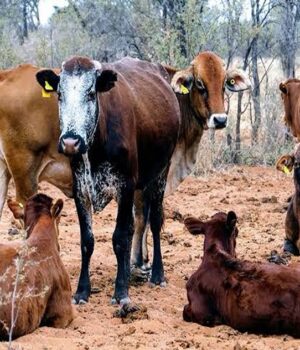


Livestock producers in Namibia are looking across the Atlantic for the animals and genetics that will build their herds, as regional disease pressures make it harder to secure high quality breeding stock. The Livestock and Livestock Products Board of Namibia (LLPBN) and the Namibian Stud Breeders Association (NSBA) recently hosted a multi day roadshow with representatives of the US Livestock Genetics Export organisation and the US Department of Agriculture’s Foreign Agricultural Service.
The visit brought US industry representatives together with officials from the Ministry of Agriculture, Fisheries, Water and Land Reform, Namibian breeders and other agricultural stakeholders to discuss how wider trade and technical cooperation could meet the country’s breeding stock needs. At the livestock industry discussion, Doug Edge of the US Livestock Genetics Export organisation set out practical opportunities to import and export breeding animals and reproductive material to improve herd quality and strengthen livestock resilience.
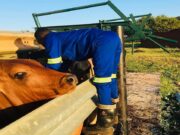
The delegation was led by Oliver Flake, Minister Counsellor of Agricultural Affairs at the Foreign Agricultural Service and met LLPBN and NSBA leaders to understand the structure and priorities of Namibia’s stud breeding industry. Stud breeders raise the purebred animals whose offspring lift the quality of commercial herds. The group toured leading breeding operations around Windhoek, including a Wagyu ranch and a private stockbreeding operation and visited the University of Namibia’s Neudamm Agricultural College to see how breeders manage herd quality and disease resilience. The roadshow ended with an industry discussion in Windhoek, where Namibian breeders and US representatives identified practical opportunities for trade in breeding animals and reproductive material.
LLPBN has identified the United States as a key alternative source of quality breeding stock for Namibian producers navigating current regional disease pressures. Both sides now want to build on the visit through continued technical exchange, including joint training, shared best practice in herd health and breed improvement, and closer coordination between Namibian and US animal husbandry experts. The aim, as presented, is a long term partnership that strengthens Namibia’s ability to safeguard and grow its livestock industry on its own terms.