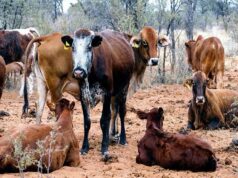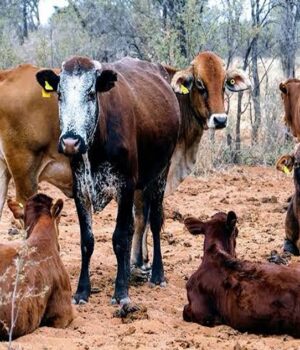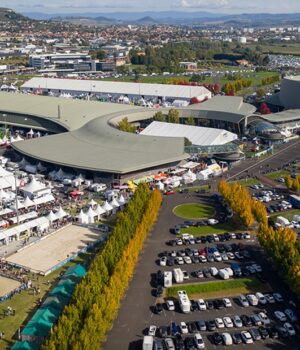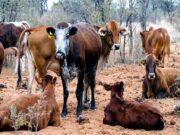
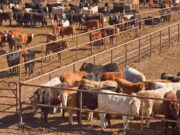
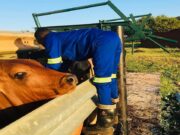


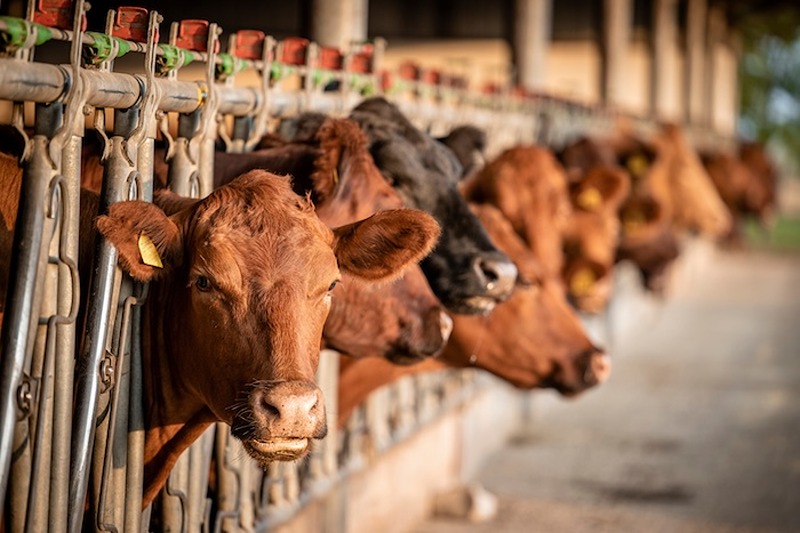
For decades, the bustling showgrounds of the Windhoek Agricultural and Livestock Show served as the crown jewel of Namibia’s farming calendar. Breeders spent months grooming prized cattle and preparing small-stock breeds to compete in front of eager crowds, showcasing the pinnacle of the nation’s livestock industry. But this autumn, the pens will stand eerily quiet. Over 1,000 head of livestock across ten beef and nine small-stock breeds have been pulled from the ring following a sudden, devastating agricultural crisis.
A confirmed outbreak of foot-and-mouth disease (FMD) in the southern Karasburg district on 23 September sent immediate shockwaves through the country. In a decisive bid to curb the spread, the Ministry of Agriculture, Fisheries, Water and Land Reform slapped a total ban on the movement of all cloven-hooved animals. The regulatory hammer fell fast, forcing organizers to cancel livestock categories not only in Windhoek, but also at major regional showcases in Grootfontein and Gobabis.
Marco Seefeldt, chairman of the Windhoek show committee, detailed the far-reaching impact of the government’s emergency measures. “This follows a directive from the Ministry of Agriculture, Fisheries, Water and Land Reform that confirmed an outbreak of FMD in Namibia’s FMD-free zone,” Seefeldt explained. “This means a total ban on the movement of all cloven-hooved animals in the country. The ban also affects the hunting industry.”
The stakes could not be higher. As show committee member Martenique Scott highlighted, the region south of the famous Veterinary Cordon Fence the historic “Red Line” had maintained unbroken FMD-free status since the 1960s. That pristine sanitary record was Namibia’s golden ticket, granting local beef producers lucrative access to premium international markets in Europe and Norway. With the virus now breaching the southern zone, those vital export pipelines and the broader economic stability of rural communities hang in the balance.
In response to the growing peril, the Namibia Agricultural Union (NAU) urged the national government to take immediate, extraordinary action, calling for a declared state of emergency to mobilize state resources. Addressing the farming community directly, the union stressed that vigilance and cooperation are paramount: “The NAU calls on its members to fully comply with official instructions, report any suspected movement of cloven-hoofed animals, apply strict biosecurity measures on their farms, and to refrain from sharing unverified information.”
While non-livestock exhibitions at the Windhoek Show will still go ahead from late September into October, the absence of the traditional livestock competitions casts a heavy shadow over the event a stark reminder of the fragile line between agricultural prosperity and sudden crisis.