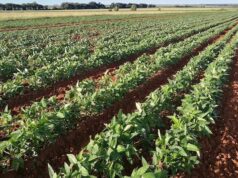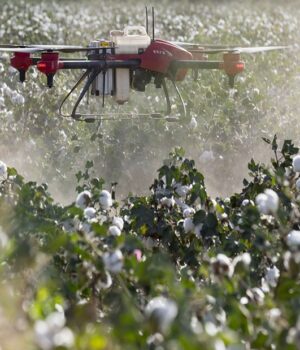





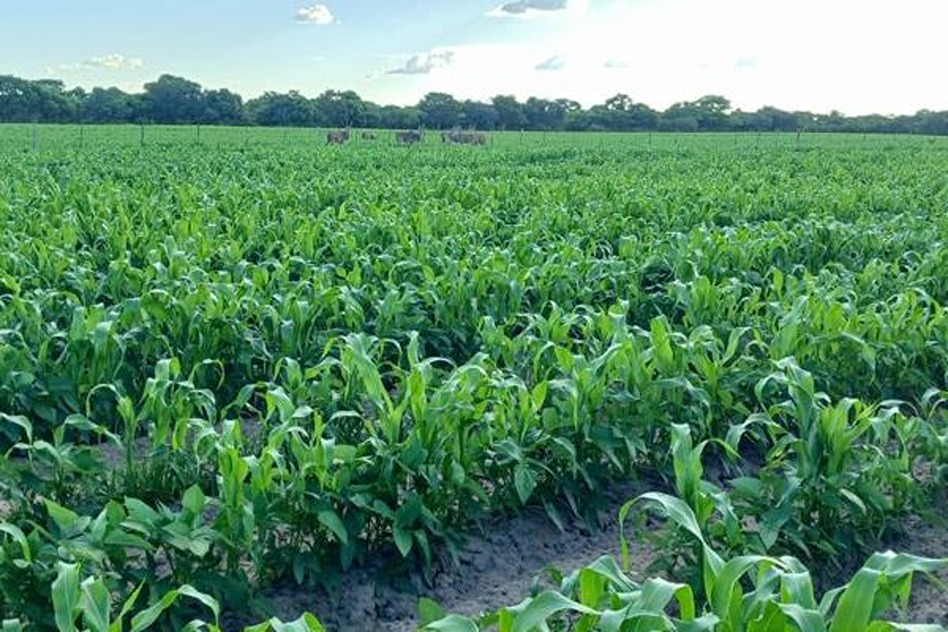
Namibia’s agriculture graduates are facing the bleakest job prospects of any tertiary discipline in the country, with nearly half 47%, unable to secure employment after completing their studies, according to data from the National Council for Higher Education (NCHE).
The figure isn’t a one-off. NCHE Deputy Executive Director Sylvia Demas said agriculture has consistently topped the unemployment table among graduate fields for years, alongside persistent struggles in law, health, culture, science and education. “We see that graduates from the agriculture field have the highest unemployment rate at 47%. This has consistently been the case over the years, with agriculture graduates recording the highest unemployment levels,” said Demas. She presented the findings during a stakeholder engagement with the National Council’s standing committee on education in Otjiwarongo. In addition, she noted the trend marks new territory for the education sector broadly. “Education has not typically been in this position, but this is the first time it is showing a high unemployment rate among graduates,” noted Demas.
Entrepreneurship isn’t picking up the slack either, the presentation showed limited graduate self-employment across the board, with hospitality recording the highest rate at just 7%. The findings also opened up uncomfortable questions about the health sector, where committee members pressed on why unemployment remains high despite a growing number of nursing training institutions. One member flagged a regulatory gap directly: only a handful of nursing institutions appear on the Namibia Qualifications Authority (NQA) website, despite many more operating in practice, raising the question of whether weak oversight has contributed to the graduate glut.
Demas traced the surge in nursing colleges back to Covid-19-era demand. She said, “During Covid 19, there was a high demand for nurses in the labour market. As a result, many people realised that nursing had become a business opportunity.” Curriculum reform compounded the problem, when Grade 10 was removed as a school exit point, nursing admission requirements weren’t immediately updated to match. “As a result, students who did not proceed to Grades 11 and 12 found their way into nursing programmes,” noted Demas. Further noting that institutions couldn’t raise entry requirements because Grade 10 remained the minimum under existing health profession regulations. She said new regulations have since introduced higher entry requirements, admission quotas and tighter intake controls to correct courses.
The unemployment figures sit awkwardly alongside acute staffing shortages in Namibia’s public health sector. Health and Social Services Minister Esperance Luvindao said last year the ministry was operating at only 50% of required staffing capacity, warning the gap was placing enormous pressure on healthcare workers. “We need more staff, more nurses, more doctors,” said Luvindao. A statement read against the graduate unemployment data, points less to a shortage of trained people and more to a mismatch between where graduates are produced and where health system capacity, funded posts, regulatory pathways, absorption capacity actually exists. For a country trying to build both a stronger agricultural base and a more resilient health system, the NCHE findings suggest the bottleneck isn’t graduate output, it’s whether the economy and public sector are structured to absorb the graduates already being trained.