



For decades, the story of Namibian agriculture could be summed up in a single, towering staple: beef. Premium livestock production has long underpinned the nation’s rural livelihoods, export earnings, and national identity. Yet, as global markets shift and environmental pressures mount, a quiet revolution is taking root across the arid terrain. Leaders within the sector are looking far beyond the cattle post to envision a modernized, highly diversified agricultural powerhouse.
At the center of this forward-looking vision is Dr. Salomo Mbai, Director of the Agricultural Trade Policy Institute (ATPI) at the Namibia University of Science and Technology (NUST). In a wide-ranging conversation on the industry’s horizon, Dr. Mbai emphasized that the fundamental question facing the country is no longer whether agriculture has a future, but how it positions itself for long-term survival and competitiveness. “The agriculture sector remains a mainstay of the Namibian economy,” Mbai reflects, noting that while livestock will always serve as the bedrock, the nation must aggressively diversify into high-value horticulture, processing, and green energy products.
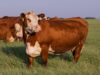
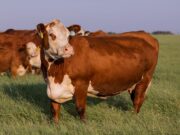
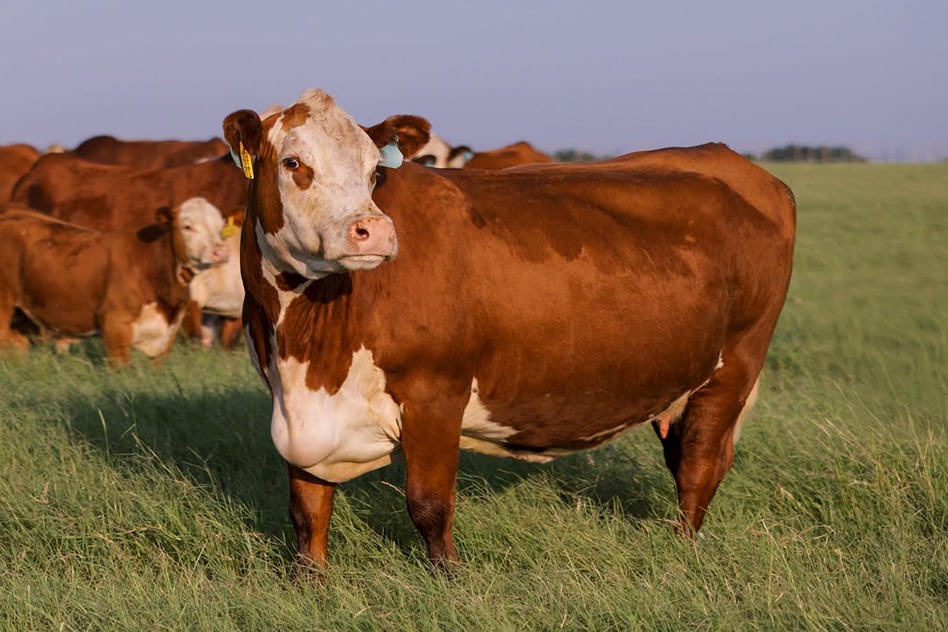
To understand where Namibian agriculture is heading, one must first appreciate the massive scale of its foundation. Between 2013 and 2025, livestock farming accounted for a staggering 52.7% of the national agricultural economy, dwarfing crop farming (35.9%) and forestry (11.4%). Home to roughly 2.5 million cattle, 1.5 million sheep, and 1.3 million goats, Namibia stands out as a unique net exporter of meat on the African continent. This competitive edge relies heavily on strict biosecurity most notably its foot-and-mouth disease (FMD)-free status south of the veterinary cordon fence. Maintaining this advantage demands non-stop vigilance, digital tracking, and resource management.
Yet, the true spark for future economic growth lies in industries once considered secondary. High-value fruits like table grapes and dates are emerging as major trade assets, leveraging ideal climatic micro-windows to hit lucrative European markets weeks ahead of global competitors. Meanwhile, potatoes and berries offer untapped potential for downstream processing and domestic food security. Mbai points out that tapping these avenues allows the country to build resilience against steep global challenges, ranging from severe regional droughts to skyrocketing costs for key farming inputs like fertilizer, fuel, and electricity.
Perhaps the most ingenious chapter in Namibia’s evolving story turns an ecological crisis into a multi-million-dollar opportunity. Severe bush encroachment currently degrades between 30 million and 40 million hectares of native grazing land across the country. Rather than viewing the invader bush merely as a threat, Namibian producers have transformed biomass harvesting into a booming industry. By thinning dense thickets to produce commercial charcoal, farmers restore their pastures while generating valuable exports a sector that reached a valuation of over N$1.6 billion (R1.6 billion). Building out this biomass value chain promises to heal ecosystems while creating a new pillar of manufacturing.
Looking toward the continent, Dr. Mbai advocates for a fundamental shift in how Southern African nations trade with one another. Moving beyond headline-grabbing regional trade disputes over individual commodities, the focus must pivot toward building integrated, cross-border supply chains. Rather than shipping raw goods abroad, member states ought to focus on processing and refining products at home. “The future of agricultural trade is in vertical value-added products trade, which will assure sustainable reciprocal growth throughout the regional agricultural industry,” Mbai notes.
This vision places a strong emphasis on Namibia’s close economic relationship with South Africa, which supplies nearly 80% of Namibia’s agricultural imports. The relationship flows both ways, with Namibia serving as an operational model for its larger neighbor. Systems like the compulsory Namibia Livestock Identification and Traceability System (NamLITS) demonstrate how state-backed digital registries can track animal movements and halt disease outbreaks in real time an innovation South Africa could readily adapt.
Looking ahead toward 2050, the roadmap for Namibian agriculture is clear replace the traditional model of simple commodity exports with technology, research, and high-value manufacturing. By combining its historic strengths in livestock with fresh investments in biomass, dates, and precision horticulture, Namibia is charting a path toward a resilient, multifunctional economy. As Mbai puts it, “Namibia can be a top exporter of high-value goods by using cutting-edge technology to manage production and processing, making the most of its position as a major trade route.”