


Namibians are being warned to stretch their budgets tighter in the coming months as the delayed impact of surging fuel and distribution expenses begins to ripple across grocery store shelves and housing bills. Paired with upcoming municipal tariff hikes, basic household costs are set to rise, putting a fresh strain on everyday consumers.
According to the latest analysis by financial firm IJG Securities, headline inflation is projected to hover between 4.5% and 5.5% in the near term. While the spike isn’t yet indicative of an all-out cost crisis across every sector, everyday essentials like food and utilities are bearing the brunt of global supply pressures and local adjustments.
“We expect headline inflation to remain in the 4.5 to 5.5% range over the coming months, with changes in fuel prices staying the main swing factor,” noted IJG Securities. “Housing & Utilities inflation is likely to firm gradually as municipal tariff hikes filter through the base, providing some delayed inflation pressure, while food and consumer goods should increase more rapidly.”
The economic shifts follow an acceleration in Namibia’s annual inflation rate, which climbed to 5.0% in August up from 4.4% in July. The main engine driving this uptick has been a steep jump in transport costs, which shot up by 13.2% year-on-year in August after local petrol and diesel prices spiked by 25.1%.
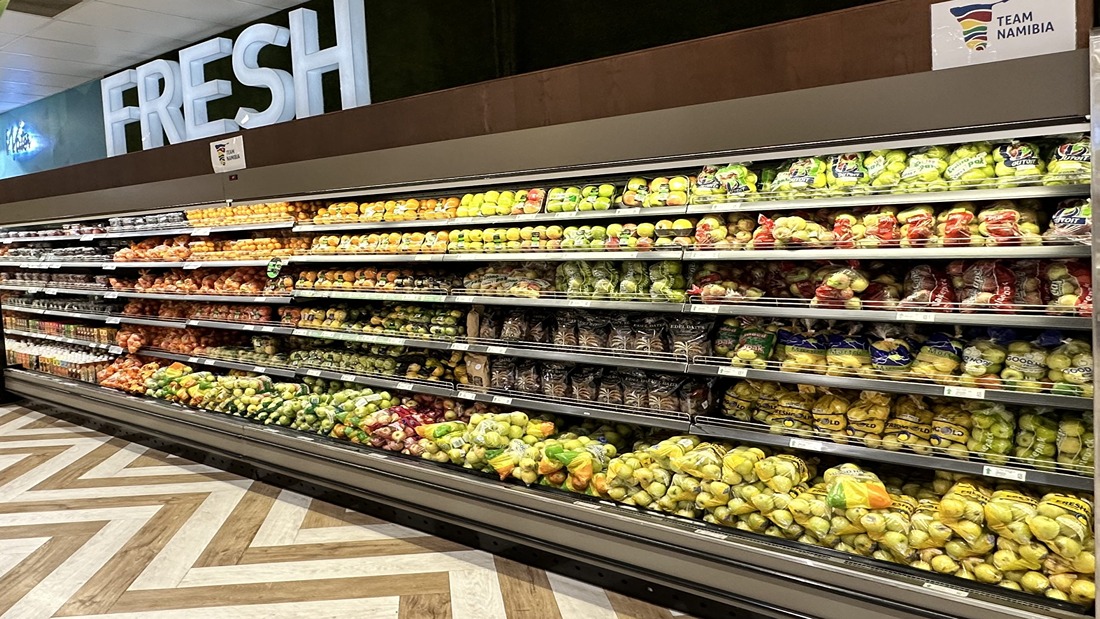
The elevated pump prices have created a knock-on effect across logistics lines. Food and non-alcoholic beverage inflation hovered at a modest 4.0% in August with meat rising 3.8%, fish up 3.7%, and coffee, tea, and cocoa up 3.5% but analysts caution that these figures are only temporary calm.
“The 4.0% annual increase in food prices is likely to increase as food distribution costs increase,” IJG explained, citing higher freight and delivery bills as the primary catalyst.
Simultaneously, housing and utilities which make up a massive 28.4% of the average Namibian household’s consumer basket saw an inflation rate of 4.3% in August due to rising rental, maintenance, electricity, and fuel prices. As municipalities roll out their annual tariff hikes, shelter costs are expected to climb higher, cementing housing as a persistent inflation driver.
Despite the eye-catching jump to 5.0% headline inflation, experts stress that the economy isn’t facing a broad-based structural surge just yet. Transport costs alone accounted for a whopping 2.0 percentage points of August’s overall 5.0% inflation figure.
“Again, the change in inflation to 5.0% is largely due to the fuel price increase rather than a broad-based inflation problem, as transport alone accounted for 2.0 of the 5.0 percentage points, with the geopolitical tension underlying this well known,” IJG highlighted.
Stripping out volatile food and energy costs offers a glimpse of silver lining: core inflation stood at 3.8%.
“Core inflation at 3.8% suggests the underlying trend remains more comfortably contained for now,” IJG noted.
For now, international fuel market volatility remains the primary wild card for Namibia’s economic trajectory. As long as pump prices remain elevated, Namibian households will need to navigate a landscape where feeding the family and keeping the lights on cost just a little bit more each month.