



Namibia has pulled the plug on a $2.4 million artificial intelligence and satellite-based agriculture project, terminating its contract with US agricultural technology company 6th Grain Corporation after a government review found that the agreement failed to meet required legal and procedural standards.
The decision brings an abrupt end to a project that was intended to give Namibia a technology-driven view of its agricultural production, using satellite imagery, remote sensing, geospatial analytics and artificial intelligence to monitor crops and strengthen planning. Ministry of Agriculture Spokesperson Romeo Muyunda said the Remote Sensing Agricultural Services Agreement was formally terminated following a review of both the contract and the circumstances surrounding its conclusion.
“The review established that the agreement did not meet the requisite legal and procedural requirements applicable to contractual arrangements entered into on behalf of the government,” said Muyunda. The government has since issued 6th Grain with formal written notice of termination. Valued at approximately N$40 million ($2.4 million), the agreement was signed in June 2026 for a one year programme covering agricultural monitoring and analysis across Namibia.
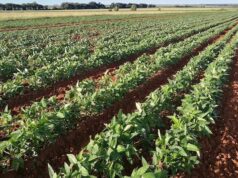
The project was designed to monitor key staple crops including maize, mahangu, millet, sorghum, cowpea and wheat, with the proposed system generating crop maps, crop-health assessments and production forecasts. It was also expected to provide drought-risk assessments and land-suitability analysis, potentially giving government more timely information to support agricultural planning in a country increasingly exposed to erratic rainfall and drought.
Beyond satellite monitoring, the project included the development of a geo-tagged farmer survey database and digital platform, alongside technology and skills transfer to the Ministry of Agriculture. Its cancellation therefore extends beyond the loss of a technology deployment. It raises broader questions about how Namibia procures foreign technology for strategically sensitive sectors such as agriculture, particularly where the systems involve national production data, farmer information and geospatial intelligence.
The government’s review comes at a time when African agricultural systems are increasingly turning to artificial intelligence, satellite imagery and digital platforms to improve productivity, anticipate climate risks and strengthen food-security planning. The immediate issue is whether the country can retain the technological ambition behind the project while ensuring that future agreements meet procurement requirements and provide sufficient safeguards around national and agricultural data.
The cancellation also places greater emphasis on the government’s ability to develop agricultural technology partnerships that combine international expertise with local capacity and institutional oversight. While the 6th Grain agreement has been terminated, the underlying need for better agricultural intelligence remains. Namibia continues to face the challenge of monitoring production across a large and climate-sensitive agricultural landscape, making reliable crop data increasingly important to decisions on food security, drought response and resource allocation.
The termination therefore does not necessarily signal a retreat from AI-enabled agriculture. Instead, it could mark a more cautious approach to how such technologies are introduced, contracted and governed when they become part of national food-security infrastructure.