

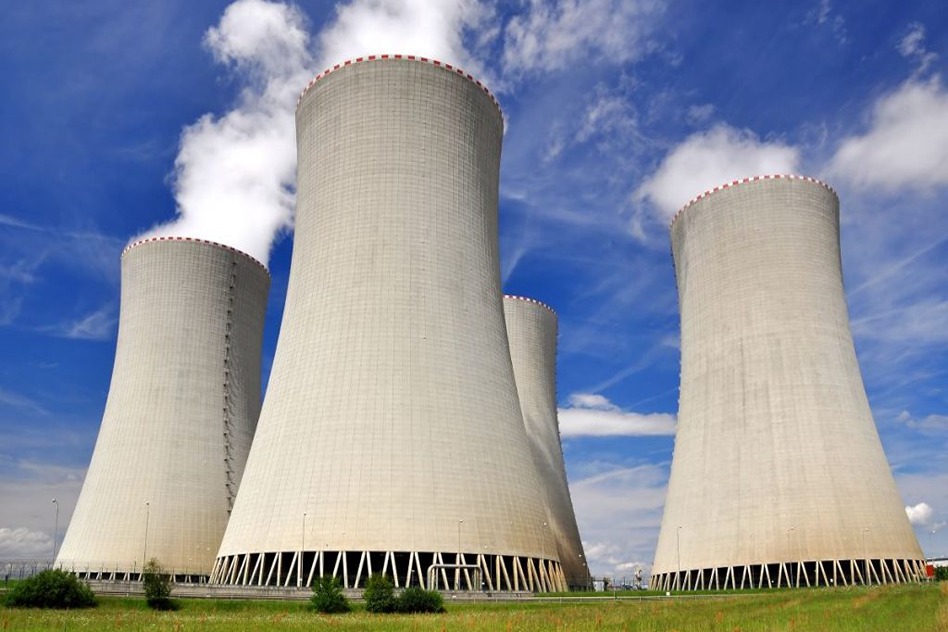
A nuclear reactor can take 15 to 20 years to move from planning to commissioning, which means the scientists who would run one are still at school. That arithmetic was at the heart of a call at the 3rd National Nuclear Science and Technology Conference in Swakopmund, which ran from 18 to 20 November 2026, for Namibia to start investing now in nuclear skills among its young people.
The Deputy Executive Director in the Ministry of Education, Innovation, Youth, Sports, Arts and Culture, Lisho Mundia, said the country must strengthen science education, research and specialised training if it wants to turn its uranium resources and growing nuclear ambitions into broader economic opportunity. He called for more scholarships, research grants, internships and mentorship programmes and said universities, research institutions, government and the private sector must work together so that research becomes practical solutions, technology, entrepreneurship and jobs.
“Our young people must not remain spectators in scientific and technological developments, they must become active participants, researchers, innovators and future leaders,” said Mundia. His remarks come as Namibia seeks to position science, technology and innovation as drivers of industrialisation and economic diversification. Erongo Governor Nathalia Goagoses said nuclear science is a specialised field that demands advanced education, training and long term skills development. She pointed out that major projects such as nuclear reactors could need 15 to 20 years of planning before commissioning, so learners in classrooms today could become the scientists, engineers, technicians and professionals who contribute to future developments in the sector.
“The learners participating here today are, therefore, the foundation of the future workforce that Namibia’s nuclear sector seeks to build,” said Goagoses. Mundia stressed that nuclear science reaches well beyond electricity. Applications include healthcare, where nuclear technologies support disease diagnosis and cancer treatment, as well as agriculture, where they help improve crop varieties, food safety and productivity, along with food security, water resource management, mining and environmental protection. He also called for stronger international cooperation, particularly through partnerships with the International Atomic Energy Agency, universities and research institutions, to bring technology transfer, technical assistance and collaborative research and said Namibia should aim to be an active contributor to regional and global scientific cooperation and not only a beneficiary.
Goagoses used the occasion to highlight the importance of introducing learners to nuclear science early. She commended organisers for including a school competition but expressed disappointment that schools from the Erongo Region were not taking part and called for future editions to widen participation, potentially through a standalone national competition for learners from all regions.