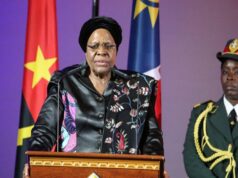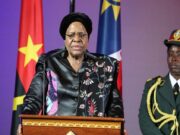




Namibia, a country known for its vast deserts and sparse population, is fast becoming a hotbed for global investment, leveraging its rich natural resources to fuel an ambitious economic transformation. The nation, under the new leadership of President H.E. Dr. Netumbo Nandi-Ndaitwah, is embarking on a multi-industry boom that spans from traditional mining to cutting-edge green hydrogen initiatives.
Mining remains the bedrock of the Namibian economy, contributing approximately 10% to its GDP and over half of its foreign exchange earnings. The country is a major global player, holding the position of the world’s third-largest uranium exporter and a key supplier of critical metals. Its natural diamonds are particularly prized, with Debmarine Namibia CEO Willy Mertens noting, “Most of the diamonds that you see in rings are from Namibia. They’re 95% gem quality and probably the highest value in the world on a per-carat basis.”
Energy Ambitions and Green Hydrogen
Beyond its mineral wealth, Namibia is positioning itself as a regional energy hub. The country is investing in a diverse portfolio of solar, wind, oil, gas, and green hydrogen projects to meet both domestic and regional demand. A flagship initiative is a US$9.4 billion green hydrogen program, a move poised to accelerate socio-economic advancement and attract significant capital.
“Our vision is to become an energy hub for the region,” says Selma Shimutwikeni, CEO of RichAfrica Consultancy. “With a population of three million, we can act fast, meet our own needs, and support neighbors with larger demands. We have strong infrastructure, an enabling regulatory framework, and natural synergies with the region.”
Beyond Resources: A Diversifying Economy
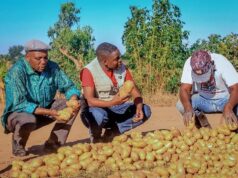
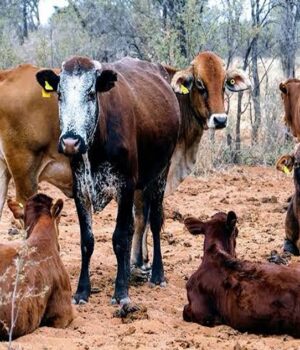
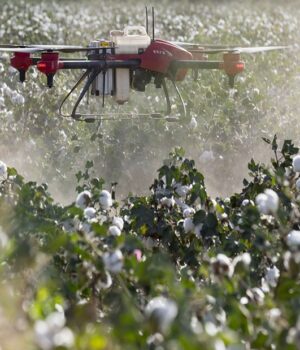
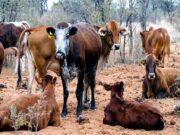
Namibia’s economic strategy extends beyond extraction to building sustainable, diversified industries. Agriculture, which employs 60% of the population, is being transformed by technology and agro-processing, with local vegetable production now meeting 55% of domestic demand.
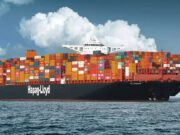
The tourism sector, a constitutional priority, is also evolving, with “film tourism” adding a new layer of growth. Furthermore, the country is strengthening its logistical backbone, with investments in ports, roads, and rail to serve as a crucial intermodal link for landlocked neighboring countries.
As Namibia turns its natural endowments into competitive advantages, it is focused on creating an economy that delivers long-term returns for its citizens and establishes it as a key player in Africa’s economic landscape.