



New economic data from Simonis Storm, reveals Namibia’s agriculture and forestry sector suffered a severe 20.1% contraction in the first quarter of 2025, marking one of the sector’s worst performances in recent years. This dramatic decline stems primarily from challenges in the livestock subsector, which plummeted by 27.3% year-on-year.
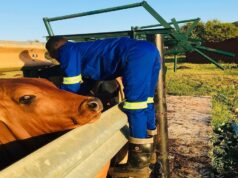
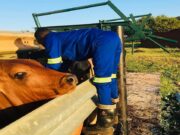
The sector’s struggles are largely attributed to two key factors: the lingering effects of the 2024 drought and outbreaks of Lumpy Skin Disease. The drought’s impact continues to reverberate through the industry, as it forced farmers to engage in excessive marketing of animals last year, significantly depleting herd sizes available in early 2025. Compounding this problem, the spread of Lumpy Skin Disease has created additional barriers to recovery.
The numbers paint a stark picture of the sector’s challenges: Cattle marketed to export abattoirs declined by 24.2%, live animal exports collapsed by 76.8%, small stock exports decreased by 39.9% and small stock slaughter volumes fell by 43.4%
These figures underscore the livestock industry’s vulnerability to both disease outbreaks and climate-related pressures. The dramatic reduction in herd sizes and export capacity highlights systemic challenges that threaten the sector’s medium-term recovery prospects.
The fishing sector, which represents another important component of Namibia’s primary industries, also contracted by 8.7% during the same period. While separate from traditional agriculture, this decline further compounds pressures on rural communities and coastal economies that rely on these primary industries.
With agriculture’s contribution to Namibia’s overall GDP now standing at just 2.6%, these latest figures raise important questions about the sector’s future trajectory. The data suggests that without targeted interventions to address disease management, herd rebuilding, and climate adaptation strategies, the agricultural sector may continue to face significant headwinds.
The current situation presents both challenges and opportunities for Namibia’s farming community. While the immediate outlook appears difficult, these pressures may accelerate much-needed conversations about modernizing farming practices, improving veterinary support systems, and developing more resilient agricultural models.
As the sector works to recover from this difficult period, stakeholders will need to focus on implementing long-term solutions that address both the immediate challenges of disease management and the broader issues of climate adaptation and sustainable farming practices.