



Namibia’s President Netumbo Nandi-Ndaitwah is pledging to overhaul the country’s state-run agricultural projects, known as “green schemes,” to boost food security and reignite local production. During a recent tour of the Shadikongoro and Ndonga Linena Green Schemes, the president underscored the urgent need for a new approach, citing high operational costs and outdated infrastructure as major roadblocks.
The challenges are significant. Farm managers at both sites highlighted soaring electricity bills, with Ndonga Linena’s annual power consumption reaching N$12 million. The high costs are primarily driven by intensive irrigation, and farm manager Janno Rentel suggested implementing soil-moisture technologies to improve efficiency. This is a point the president agreed with, noting the potential for solar energy to save millions and reinvest the funds back into production.
The president’s visit also revealed a deeper issue: the lingering effects of the former state-owned enterprise, the Agricultural Business Development Agency (Agribusdev). The agency, which was meant to uplift small-scale farmers, was dissolved in 2021 after years of mismanagement and financial struggles. President Nandi-Ndaitwah lamented that Agribusdev’s failures had set back the progress of many farmers.
To revitalize these projects, the government is now actively seeking partnerships with the private sector. The president clarified that this engagement is not a move to privatize the farms but rather an invitation for investment and support. “The government has already invested in infrastructure and management. If we bring in the private sector, it will be as a partner, not a replacement,” she stated.
President Nandi-Ndaitwah also addressed the high cost of agricultural inputs, a common concern for small-scale farmers. Lazarus Nande, a local farmer, urged the government to bypass middlemen to ensure farmers can make a profit. The president committed to a new approach, promising to personally oversee the nation’s food production efforts. “I commit myself to feed the Namibian people, and I will not lie to them. If it means I must visit these regions twice a year, I will. I must feed this nation without failure,” she declared.
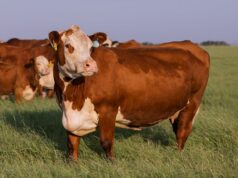
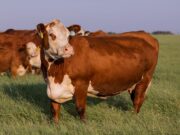
In addition to the green schemes, the government is planning to bolster the meat industry in the Kunene region, which has been hard-hit by drought. The president’s push for agricultural reform comes as Namibia looks to harness its fertile land and water resources to secure a more sustainable future.