



A landmark conservation financing agreement has positioned Namibia as the first in Africa to successfully conclude a Project Finance for Permanence deal, a model that blends long-term endowment funding with structured community development investment to secure conservation outcomes beyond the lifecycle of conventional project-based support.
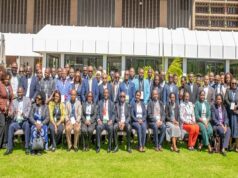
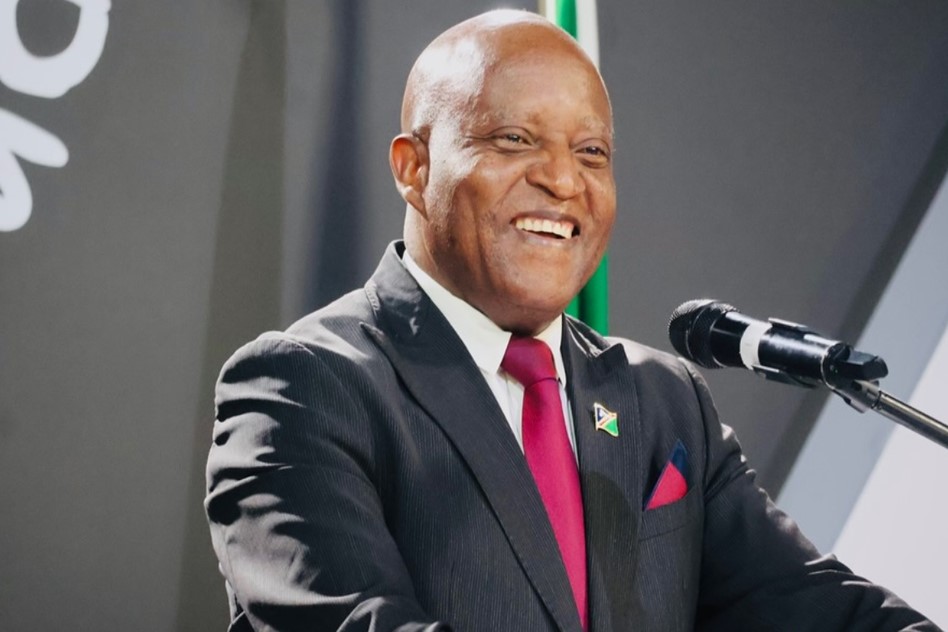
The Namibia for Life programme, valued at approximately US$63 million, was officially launched and signed with Prime Minister Elijah Ngurare presiding. The initiative supports 87 communal conservancies, with plans to expand to as many as 100, benefiting more than 283,000 people whose livelihoods depend on wildlife and natural resources. “This initiative seeks to secure long-term financing for large-scale and clearly defined conservation projects through carefully negotiated agreements between public and private stakeholders. Let’s work together to magnify this cooperation, instead of us allowing stoking of communities to rebel or fight against one another,” said Ngurare.
At the programme’s core is a dual-fund structure. An endowment fund provides stable, predictable long-term support beyond the limitations of short-term project cycles. A dedicated socio-economic development fund channels resources into community priorities — strengthening local enterprises, creating jobs, building skills and investing in small-scale infrastructure by ensuring that conservation delivers tangible economic value for rural communities rather than simply restricting land use.
WWF Namibia Country Director Juliane Zeidler described the significance plainly. She noted, “Namibia is the first country in Africa to successfully close a Project Finance for Permanence deal, marking a milestone for conservation financing on the continent.” Ngurare used the occasion to highlight practical dimensions of conservation management that affect daily community life including human-wildlife conflict mitigation and water access, noting innovative borehole designs that separate elephant and human drinking points and ongoing work with the University of Namibia’s engineering campus to design river access structures that protect children from crocodile attacks.