



The Directorate of Veterinary Services (DVS) has announced a significant relaxation of regulations regarding the movement of dried meat from cloven-hoofed animals into foot-and-mouth disease (FMD)-free zones. Effective immediately, such products no longer require a veterinary certificate, according to a public notice released on Thursday.
This move aims to streamline trade and movement while maintaining stringent biosecurity measures to prevent the spread of FMD. The DVS stipulates that the dried meat must be thoroughly cooked, ideally boiled, and completely free of blood.
However, Dr. Johannes Shoopala, Chief Veterinary Officer at the DVS, cautioned against the movement of raw meat not produced under commodity-based trade (CBT) protocols. “Raw meat that is not produced under commodity-based trade (CBT) is not allowed, since the foot-and-mouth disease (FMD) virus survives in animal tissue, including lymph nodes and bone marrow, after freezing,” Dr. Shoopala stated.
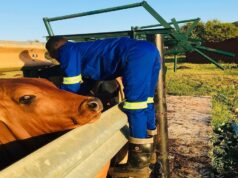
Cloven-hoofed animals encompass a range of livestock including cattle, sheep, goats, and pigs, as well as certain wild animal species.
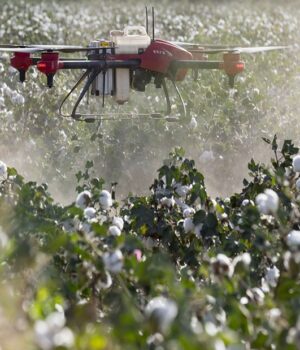
Conversely, the DVS confirmed that non-cloven-hoofed animals, along with plants and plant products, are permitted to enter FMD-free zones without restriction, provided they are free of manure from cloven-hoofed animals.
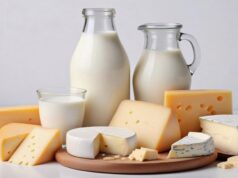
For raw meat derived from cloven-hoofed animals originating from export-approved abattoirs, movement into FMD-free zones is permissible under specific conditions. This includes adherence to CBT standards and the mandatory presence of a veterinary health certificate confirming compliance with the World Organisation for Animal Health Terrestrial Animal Health Code.
Further tightening controls on animal feed, Dr. Shoopala added, “Unregistered cloven-hoofed animal feeds may only move into the FMD-free zone with a veterinary permit.”
The DVS strongly encourages members of the public, particularly those involved in agricultural trade and transportation, to familiarise themselves with the comprehensive list of permitted products for movement into FMD-free zones. This crucial information is readily available at all state veterinary offices, veterinary gates, and designated entry and exit points across the country.