
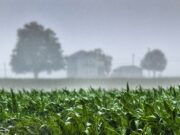


OSHAKATI – The northern regions of Namibia, long crippled by a cycle of devastating droughts that decimated livestock and depleted grain reserves, are finally witnessing a robust agricultural turnaround following an exceptionally wet season.
This shift in climatic fortunes has transformed the landscape from parched earth into thriving grazing land, significantly brightening the economic outlook for thousands of subsistence farmers who form the backbone of the rural economy. The surge in rainfall has not only replenished the vital water pans and floodplains across the region but has also accelerated the pace of cultivation as families race to secure what many hope will be a bumper harvest.
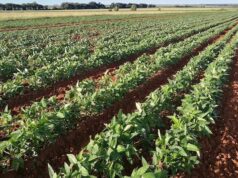
The return of the rains has triggered a flurry of labor-intensive activity, with the regional workforce often encompassing entire households pivoting back to traditional agropastoral roles. Farmers now face the dual challenge of intensive crop cultivation and vigilant livestock management to protect maturing fields from straying cattle. This seasonal uptick in productivity is also creating micro-entrepreneurial opportunities for the youth; as an Informante team observed over the weekend, many children are supplementing household incomes by harvesting and selling bird plum fruits, known locally as eembe, to travelers along the main northern arterial roads.
“Practically all water pans and flood plains are full of rainwater, and with the continuing downpours on both sides of the Namibia-Angola border, the annual floodwaters of efundja can be expected soon,” noted field observers monitoring the hydrological shift. This impending arrival of the efundja seasonal flash floods from the Angolan highlands is viewed with a mix of anticipation and caution, as it traditionally brings both nutrient-rich water for fish and the risk of localized infrastructure damage.
For the broader Namibian economy, the recovery of the northern subsistence sector is a critical component of national food security and poverty reduction. After years of relying on government-funded drought relief and emergency fodder, the transition back to self-sufficiency is expected to ease the fiscal pressure on the state and stimulate local trade. As the rainy season continues to deliver on its early promise, the focus now shifts to the efficiency of the harvest and the resilience of the logistical networks that will carry these goods to market.