


For most of Namibia’s modern history, fishing has meant one thing: catching wild stock from the Atlantic and selling it. Commercial capture fisheries have been a cornerstone of the economy since the 1940s, building an industry that has supported livelihoods, generated export revenue and established Namibia as a significant player in the global seafood market. But the foundations of that model are under strain and a new chapter is being written.
Overreliance on natural stock, illegal fishing, climate change impacts on fish populations, a growing seal population and an increase in whales are collectively challenging the sector’s long-term viability. Into that uncertainty comes a development that could reshape Namibia’s fishing economy in ways comparable to what Norway achieved over the past half-century: the emergence of commercial salmon farming at scale.
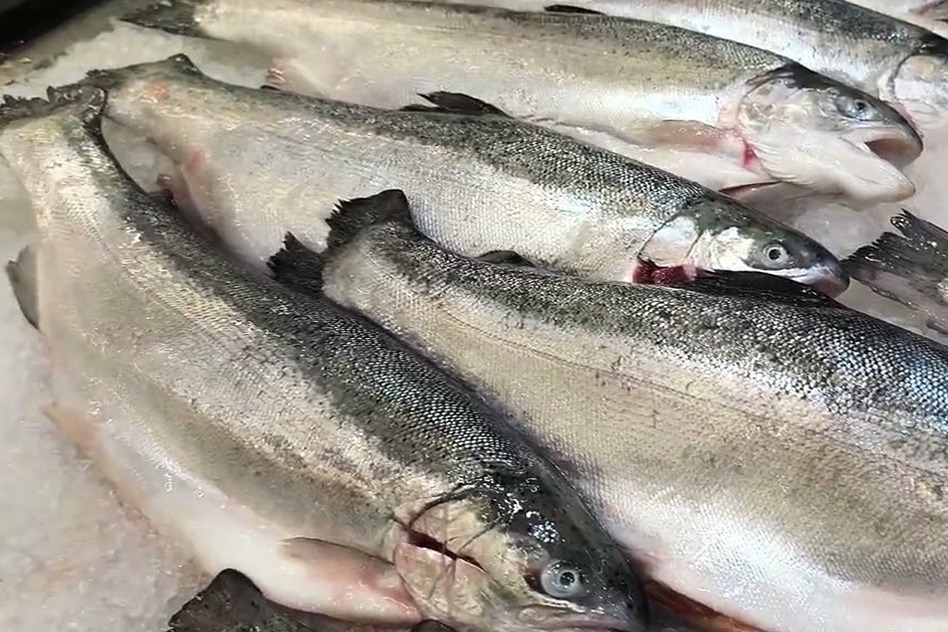
Aquaculture licence holders in Namibia will collectively be able to produce over 50,000 tonnes of salmon, worth approximately N$6.4 billion, once operations reach full capacity. The commercial and employment implications are substantial and the skilled labour already present in Namibia’s commercial fishing sector stands a strong chance of being absorbed into aquaculture, creating continuity rather than displacement.
The Norwegian comparison is instructive. Despite having a coastline of 100,000 kilometres many times longer than Namibia’s 1,500 kilometres, Norway’s salmon farming success was built not on geography alone but on sustained government and industry investment in research, technology and rural community integration. Today, Norway produces over 1.2 million tonnes of salmon annually, a result of deliberate industrial policy that transformed coastal communities into active economic contributors.
Namibia’s political stability and pristine environmental conditions provide an investment environment that few aquaculture destinations can match. But converting that potential into sustained production will require the establishment of regulatory frameworks, research capacity and training infrastructure appropriate to an entirely new industry. As the Universal Aquaculture Association’s Chairperson Hiskia Asino, a PhD candidate at the Unam Sam Nujoma Campus, argued that institutional participation through research, training and innovation is not optional but it is the foundation on which sustainable aquaculture must be built. The opportunity to transform food production in southern Africa is real. Whether Namibia treats it as the priority it deserves will determine whether this chapter becomes a new industry or a missed one.