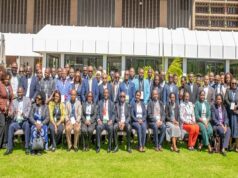




Namibia’s new Ambassador to China, Tonata Itenge-Emvula, delivered a compelling maiden address on the global stage, positioning the southern African nation as an ideal investment destination during the recently concluded China International Import Expo (CIIE) in Shanghai. Speaking on the sidelines of the Namibia-China trade and investment opportunities forum, the Ambassador directly appealed to Chinese officials, diplomats, and investors, outlining key sectors poised for significant growth and seeking partnerships that ensure mutual benefit, aligning with Namibia’s national development goals and the broader Forum on China-Africa Cooperation (FOCAC) framework.
Itenge-Emvula zeroed in on several priority sectors that offer lucrative opportunities for foreign capital, most notably oil and gas, metal and mineral mining and processing, renewable energy, agriculture and food industry, manufacturing, and logistics. The nation’s burgeoning energy potential was a central theme, highlighted by major oil and gas discoveries with estimated volumes exceeding 3 billion barrels. Furthermore, Namibia is making strides in clean energy, embarking on the development of a large-scale green hydrogen project on its southern coast, and leveraging its abundant wind and solar resources for both local power distribution and export to the regional power pool. The Ambassador also reminded investors that Namibia is the third largest producer of uranium globally, with significant existing investment from Chinese firms like CNNC and CGNPC Uranium Resources.
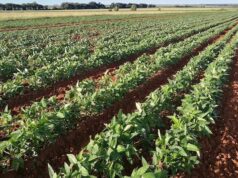
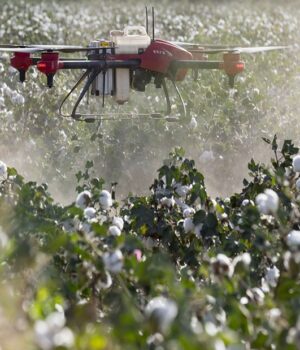
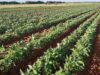
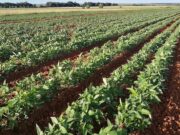
The importance of agriculture and food security was underscored as a critical area for investment, intended to reduce poverty and decrease reliance on imported agricultural goods. Namibia, notably, holds the distinct position as the only African country currently authorised to export beef to China, the European Union, and the United States of America, showcasing its high standards and market access. Beyond primary sectors, the Ambassador sought investment in manufacturing, specifically the automotive components industry, with a focus on introducing the electric vehicles value chain into Namibia for domestic use and export across Africa. In a strong message of resource nationalism, Itenge-Emvula emphasised that any investment must adhere to the principle that Namibia must benefit from its resources, ensuring a “same level of thinking” with foreign partners and seeking ventures that add value to minerals like copper, uranium, lithium, nickel, and cobalt to create jobs and wealth for the Namibian people.
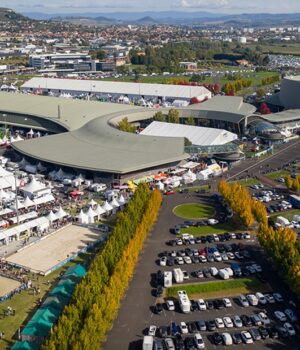
Moving to the wider continental context, the Ambassador linked Namibia’s agenda to Africa’s Agenda 2063, the master plan for transforming Africa into a global economic engine. As a beneficiary of FOCAC programs and a party to the Belt and Road Initiative, Namibia offers a politically supported environment for Chinese enterprises. She concluded by inviting serious investors to engage directly with the Namibian Embassy in Beijing, ready to facilitate the necessary visas for those looking to explore business or tourism in the “Land of the Brave,” reinforcing a commitment to win-win benefits. The CIIE itself, a massive platform hosted on 430,000 square meters, reaffirmed China’s commitment to market openness, showcasing over 460 new products and technologies and having delivered over US$500 billion worth of deals since its inception in 2018.