



WINDHOEK—The agricultural sector of Namibia is positioned for a gradual recovery in 2026, marking a pivotal transition after three consecutive years of drought-induced contraction. A normal to above-normal rainfall forecast for the 2025/26 season is expected to provide the necessary environmental cushion for farmers to rebuild depleted livestock herds and stabilise domestic crop yields.
The cattle sector, which has faced immense pressure since 2019, is projected to see a modest resurgence in marketing volumes, with growth estimates ranging between 20% and 30% for the coming year. This recovery follows a period of heavy destocking that significantly lowered the availability of market-ready animals. Despite the anticipated increase in supply, market analysts expect cattle prices to remain elevated due to the biological time lag required for herd stabilisation and ongoing supply constraints.
“Overall, Namibia’s agricultural sector is poised for modest growth in 2026, driven by improved rainfall and ongoing efforts to rebuild livestock herds,” said Thinus Pretorius, President of the Namibia Agricultural Union (NAU). Highlighting the sector’s diversification, Pretorius noted that while the livestock industry remains the economic backbone, structural growth is increasingly evident in non-traditional areas.
While the cattle industry navigates a slower biological recovery, the sheep sector is expected to rebound more swiftly, with slaughter availability easing as flock rebuilding progresses. Simultaneously, the poultry sector has emerged as a high-growth bright spot, fueled by increased private-sector investment and a strengthened regulatory environment. Production in this subsector is set to maintain an upward trajectory, supported by expanded processing capacity and more rigorous biosecurity protocols.
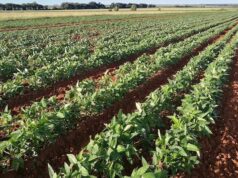
Horticulture is also showing signs of long-term structural expansion, particularly through rising citrus and potato output, which is expected to capture a larger share of the formal market. Although Namibia remains a net importer of grains, local supply is forecast to improve modestly in 2026. This uptick in domestic production, underpinned by favourable weather conditions, is expected to keep local grain prices stable, offering some relief to consumers and feedlot operators alike.
Despite the optimistic outlook, the sector remains wary of external shocks, including volatile feed costs and the persistent threat of foot-and-mouth disease (FMD). Avian flu risks in neighbouring countries also remain a key concern for the expanding poultry industry. Moving forward, the NAU emphasises that the long-term resilience of the sector will depend on the successful integration of domestic crop production within the livestock and poultry value chains to mitigate the impact of future climate variability.