


President Netumbo Nandi-Ndaitwah has announced that a final conclusion to the joint declaration between Namibia and Germany concerning the 1904–1908 Ovaherero and Nama genocide is finally within reach. This long-awaited diplomatic milestone is expected to be achieved before the end of the year, marking a significant step toward addressing one of the most painful periods in the nation’s history. The President expressed her hope that collective political will would allow both nations to close this dark chapter and begin a sincere process of healing. The reviewed declaration is set to be presented to the National Assembly for deliberation prior to its official signing, supported by a framework involving the Cabinet special political committee and the chiefs’ forum.
On the domestic front, the government has moved to transform the educational landscape by implementing a fully subsidised tertiary funding model. This initiative covers 100% of registration and tuition fees for eligible undergraduates across both public and private institutions, including vocational training centres. Supported by an initial allocation of N$663 million, the reform aims to democratise access to higher learning. Furthermore, the Namibia Students Financial Assistance Fund has broadened its reach by increasing the household income limit for non-tuition aid to N$300,000, ensuring that more middle-income families can access essential financial support.
The President also issued an urgent call to Parliament to pass the petroleum amendment bill, noting that a full year of progress has already been lost. To ensure the burgeoning oil sector benefits the nation rather than becoming a resource curse, an oil unit has been established directly under the Presidency. This unit, which has already conducted benchmarking missions to nations such as Norway and Guyana, is currently staffed by 26 experts with the potential to expand to 141. By overseeing this sector directly, the President intends to manage the industry’s growth with the transparency and rigour required to secure Namibia’s future prosperity.
Economic momentum is further evidenced by the registration of 13 operational investment projects valued at N$4.3 billion, which have already generated over 1,500 jobs. An additional 15 projects, worth a staggering N$63.5 billion, are currently underway, including major mining ventures such as Osino Gold and Bannerman Etango uranium. These developments are projected to create over 24,000 jobs at full operation. To bolster this growth, the President recently reviewed recommendations from task forces on economic recovery, health, and housing, which were formed following the inaugural Namibia Public-Private Forum.
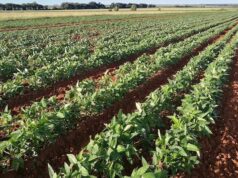
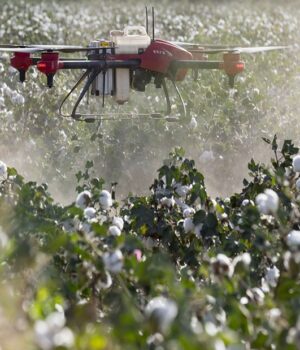
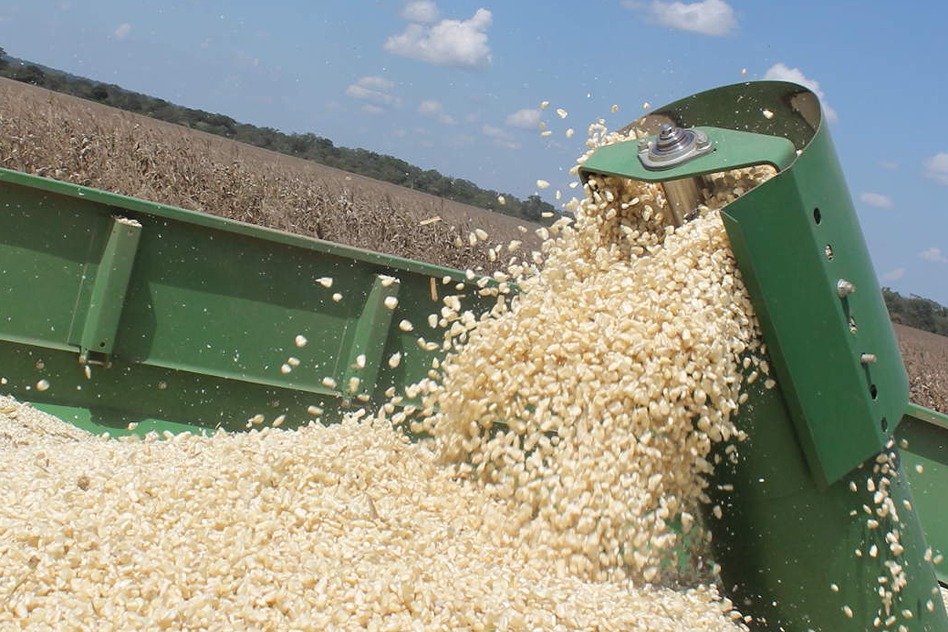
In the agricultural sector, the country has seen robust growth, exporting products worth N$2 billion in 2025. Table grapes and tomatoes dominated these exports, while local fruit production and the domestic market share for vegetables continued to climb. Notably, Namibia has significantly boosted its white maize production, which reached nearly 70,000 metric tonnes by the end of the 2025 marketing season. This increase represents a vital step toward food security, with domestic production now accounting for 31% of total national consumption.
“We count on our collective political will to close this dark chapter and begin the long-awaited process of healing.” — President Netumbo Nandi-Ndaitwah