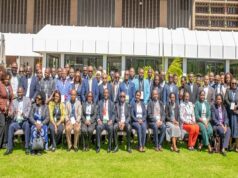

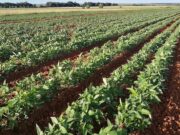


One of Namibia’s poorest areas, Kavango West, is starting to recognize that government efforts to improve lives include targeted agricultural measures. Regional authorities visited the Mpungu constituency as part of a recent 10-day outreach program to evaluate the status of development projects, with a particular emphasis on rural sustainability and agriculture.
With a multidimensional poverty rate of 79.6%, Kavango West is the highest percentage in the nation, according to the Namibia Statistics Agency. This fact emphasizes how urgent the Ministry of Agriculture’s and the Directorate of Rural Development’s present agricultural programs are.
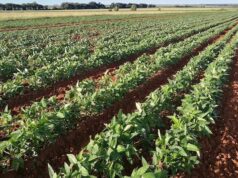
A major highlight of the region’s development agenda is the establishment of a 20 000-hectare green scheme, which is currently under development. Once operational, this scheme is expected to significantly contribute to local food production and job creation. Green schemes in Namibia have traditionally been used to support irrigated farming, boost food security, and stimulate local economies, goals that are particularly crucial for Kavango West.
The Directorate of Rural Development is actively supporting 10 goat farming projects in Mpungu in addition to the extensive green scheme. By providing food and financial stability, these small-scale initiatives seek to encourage livestock production among rural people. Goats are a great option for subsistence and aspiring farmers in Namibia since they thrive in the country’s dry climate and require little upkeep.
Another issue being addressed is water access, which is essential to productive farming. Water pipes from Rundu to Mpungu and Mururwani are being planned, and further canals are being suggested to service smaller communities. Improving access to clean water for household and agricultural use is the goal of these infrastructure projects.
The government’s increasing emphasis on agriculture provides a concrete route toward sustainable growth, despite ongoing issues with public services and infrastructure. Egidius Nambara, the regional director, underlined that these programs aim to strengthen rural economies and change livelihoods in addition to producing food.
One field, herd, and harvest at a time, the incorporation of agriculture into larger development plans is a critical step in bringing Kavango West out of poverty.